





Glass vs Plastic: The Case for Glass
Many people wonder, “Should I use a glass or plastic water bottle?” While plastic bottles are lightweight and convenient, they fall short in taste and environmental impact. Lifefactory water bottles are made from high quality durable glass and provide a safe, sustainable, stylish solution for everyday hydration. Glass bottles are designed to protect the purity of your beverages while lasting for years. Choosing glass isn’t just a matter of preference; it’s a wellness choice.
The Case for Glass
Pure Taste, Every Time
Glass does not react with most beverages or leach chemicals under normal use, even when exposed to heat or used over a long period of time. The water, juice, or cold brew you pour into a glass bottle tastes crisp, fresh, and unaltered. Unlike plastic, glass does not retain flavors or odors from previous drinks, so every refill is a clean slate. This is especially important for anyone who enjoys cold brew coffee, herbal teas, or infused water, where the flavor matters. Drinking from glass helps preserve the integrity of your beverage, allowing you to fully enjoy the pure taste you intended with every sip.
Complete Clarity
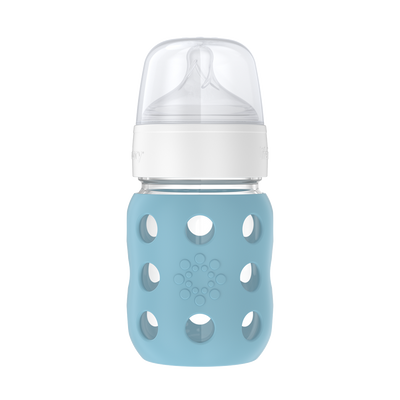
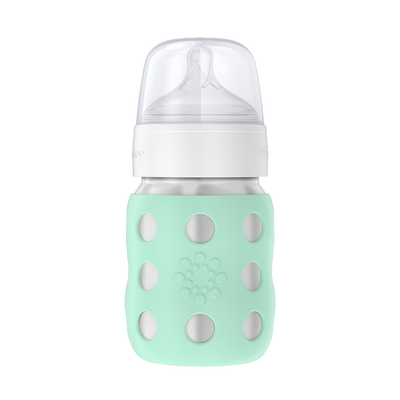
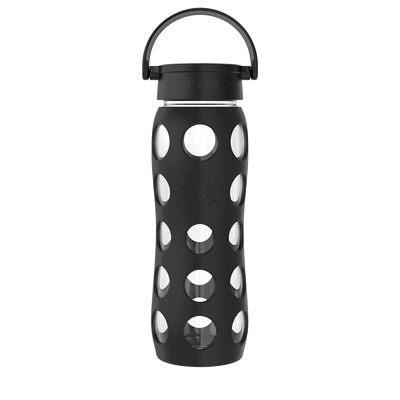
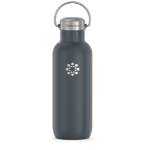
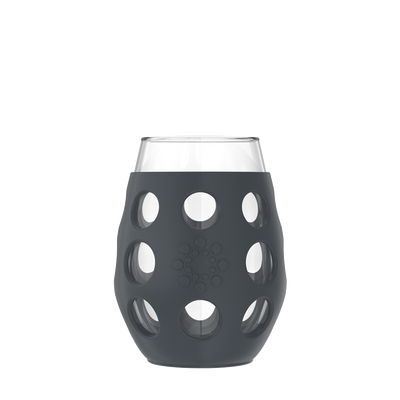
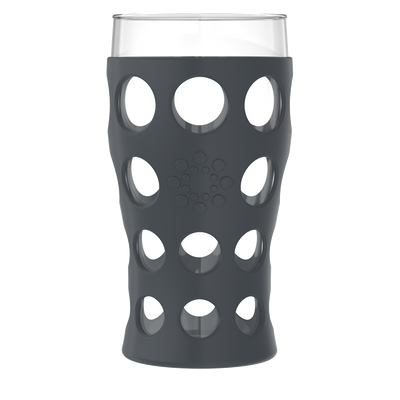
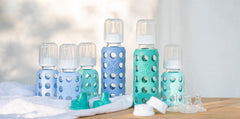
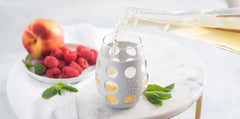
One of the joys of a glass water bottle is its transparency. You can see exactly what you’re drinking, whether it’s infused water with cucumber and mint, a golden turmeric latte, or simply clear spring water. The visual experience of seeing your beverage can make hydration feel more intentional and enjoyable. Lifefactory’s glass bottles are paired with vibrant silicone sleeves in colors like Mint, Desert Rose, and Cobalt which are designed to be both practical and beautiful. They combine durability with a sense of style, making them perfect to carry anywhere, from your kitchen counter to your office desk.
Material Safety & Purity
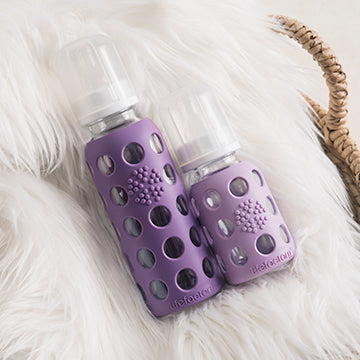
Glass is widely recognized as a safe, non-reactive material for food and beverage contact, with long-established use. Unlike some plastics, which may degrade or release chemicals under heat or prolonged use, glass remains chemically stable under normal conditions. Parents often choose glass baby bottles for peace of mind, knowing that formula and breast milk stay pure in taste.
Endlessly Recyclable
Glass is not only safe and beautiful; it’s also one of the most sustainable materials available. It can be recycled without losing quality, entering a true closed-loop process where a used bottle can be turned into a new one in as little as 30 days. In contrast, plastic is often downcycled, meaning it is converted into lower-quality products that may eventually end up in landfills or oceans. By choosing glass, you are investing in a bottle that is safe for you and supports the long-term health of the planet.
Best Uses for Glass:
- Home, desk, or office use
- People who value pure taste
- Drinking and transporting milk or formula in baby bottles
- Cold beverages, juices, cold brew, or drinks where visual presentation matters
The Case Against Plastic
Chemical Leaching Risks
Some plastics may become less stable over time, especially when exposed to heat, sunlight, or repeated use, and can, in some cases, release small amounts of substances depending on the material and conditions. While many modern, food-grade plastics are designed to meet strict safety standards for normal use, concerns about long-term durability and material breakdown still exist in certain situations. Glass, by contrast, is chemically stable under typical use conditions and does not react with beverages, helping preserve the pure taste and integrity of your drink without any interaction from the bottle.
Absorbs Odors and Flavors
Plastic bottles can absorb flavors and odors from previous beverages. That smoothie you drank yesterday may linger in your bottle and affect the taste of your water today. Glass bottles are completely neutral, so every refill starts fresh. If you’re particular about taste or enjoy a variety of beverages, glass provides a consistent and clean experience every day.
Environmental Impact
Many single-use plastic bottles are not recycled and often end up in landfills or the environment. Glass is highly recyclable and can be reprocessed into new glass containers without loss of quality in properly functioning recycling systems. Choosing glass can help reduce single-use plastics and support more sustainable material. It is accepted in many curbside recycling programs, depending on local availability.
Durability Limitations
While plastic bottles are lightweight and generally resistant to minor drops, they can show wear over time, such as discoloration depending on use, cleaning methods, and exposure to heat or sunlight. In contrast, glass bottles from Lifefactory are made with durable glass and paired with protective silicone sleeves that helps protect from everyday bumps and minor drops. This design makes them suitable for daily use while maintaining premium aesthetic and long-term performance when handled with care.
Best Uses for Plastic:
- Occasional, low-cost convenience
- Situations where durability isn’t critical
- Lightweight, disposable hydration on short trips
How to Choose
Choose Glass If…
Glass is a great choice if safety, taste, and sustainability are your priorities. It is well-suited for home, office, or family use, especially for cold beverages, infused water, or baby formula. Glass helps preserve the natural taste of your drinks without concerns about chemical leaching under normal use conditions, and its simple, timeless design makes it enjoyable and convenient to use every day. Choosing glass can be a practical way to support both personal wellness and more sustainable material use over time.
Choose Plastic If…
Plastic may be appropriate if you prioritize portability, need a lightweight option for a short-term situation, or are primarily concerned about initial cost. While plastic provides a certain level of convenience, it involves compromises in flavor, chemical safety, and overall environmental impact.
Why Glass Stands Out
For Lifefactory families, glass is more than a material choice; it’s a meaningful lifestyle choice. Glass bottles are designed to last for many years, maintaining integrity, appearance, and safety throughout their lifetime. They are a reliable and convenient companion for hydration at home, work, or on the go, making it easy to integrate sustainable and safe drinking habits into your daily routine.
Shop Lifefactory glass bottles: lifefactory.com/collections/glass-water-bottles
Frequently Asked Questions
Q: Is glass or plastic better for a water bottle?
A: Glass is far superior in terms of safety, taste, and overall long-term sustainability. While plastic may be lighter or cheaper, it still risks leaching chemicals, absorbing odors and flavors, and contributing to environmental waste. Glass provides a reliable, long-lasting, and healthy daily hydration solution.
Q: Does water taste different in glass vs plastic?
A: Many people notice that water tastes noticeably purer in glass. Plastic can retain flavors from previous beverages and may carry an unpleasant aftertaste. Glass ensures that every sip is fresh and unaltered.
Q: Which is better for a baby bottle — glass or plastic?
A: Glass is often preferred for baby bottles because it is a non-reactive material for food and beverage contact. It maintains the pure taste of breast milk or formula without risk of chemical contamination.
Q: Are Lifefactory glass bottles BPA-free?
A: Yes, all Lifefactory glass bottles are completely BPA-free, made with durable glass and protective silicone sleeves. They are thoughtfully built to last while keeping you and your family safe.
Q: Can I switch from plastic to glass safely?
A: Absolutely! Switching to glass provides superior taste, safety, and sustainability without compromising convenience or design. Glass bottles are versatile, stylish, and designed for daily use.