





Lifefactory Glass Food Storage: A Smarter Alternative to Plastic Containers
Open nearly any kitchen cabinet across the country and you will find a familiar scene: a teetering stack of mismatched plastic containers, lids that no longer quite fit, and vessels stained a permanent shade of orange from last Tuesday's tomato sauce. We have all been there. For decades, plastic food storage felt like the only practical option. It was cheap, it was light, and it was everywhere.
But the tides are turning. More health conscious families, and sustainability minded individuals are making a deliberate shift toward glass food storage, and Lifefactory is leading that conversation. What began as a company dedicated to thoughtfully designed glass bottles has grown into a brand that believes every vessel in your kitchen should be made with the same care and intention.
So what makes glass the smarter choice? And why does the Lifefactory difference matter? Let us take a closer look.
The Problem with Plastic Containers
Plastic food storage has been a kitchen staple for so long that most of us have never stopped to question it. But over the past two decades, research has painted a more complicated picture of what is actually happening when we store, heat, and reheat food in plastic vessels.
Many common plastics contain chemical compounds such as BPA (bisphenol A) and phthalates, which are used to make the material more flexible and durable. The concern is that these compounds can migrate into food, particularly when containers are exposed to heat, acidic foods, or everyday wear and tear. Even plastics labeled as BPA free may contain alternative compounds that researchers are still studying.
Glass does not absorb odors, stain from pigmented foods, or leach any chemicals into what you eat. What goes in comes out exactly as it was.
Beyond the health conversation, there is the very real issue of longevity. Plastic scratches easily, becoming harder to clean thoroughly over time. It warps in the dishwasher. It absorbs smells. And eventually, it ends up in a landfill, where it can persist for hundreds of years, slowly breaking into microplastic particles that make their way into soil and waterways.
These are not fringe concerns, and they are exactly why Lifefactory glass food storage exists.
Why Glass Is the Right Material
Glass is one of the oldest and most trusted materials humans have used to store food and drink. It is inert, meaning it does not react with what it holds. It is nonporous, so it does not absorb flavors, odors, or bacteria the way scratched plastic can. And it is completely transparent, so you always know exactly what is inside without having to open every container in your fridge.
Unlike plastic, which often requires temperature restrictions (avoid microwaving, do not put in the freezer, hand wash only), quality glass food storage is genuinely versatile. Lifefactory containers move seamlessly from freezer to oven to table, adapting to the rhythm of real cooking rather than constraining it.
What Sets Lifefactory Apart
There are glass food storage options on the market, and then there is Lifefactory. The difference is in the details, and those details are everything.
Thoughtful Design, Built to Last
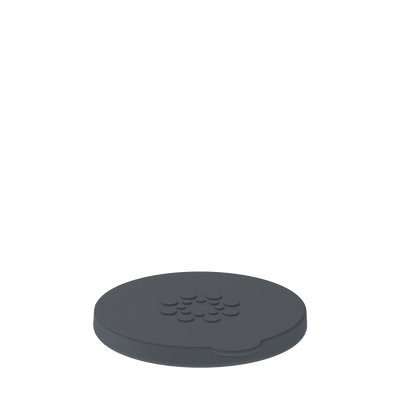
Our tempered glass storage containers are oven, microwave, freezer and dishwasher safe. This allows the glass with the silicone sleeve to serve as bakeware. (DO NOT bake or microwave lid).
Silicone Sleeves That Mean Business
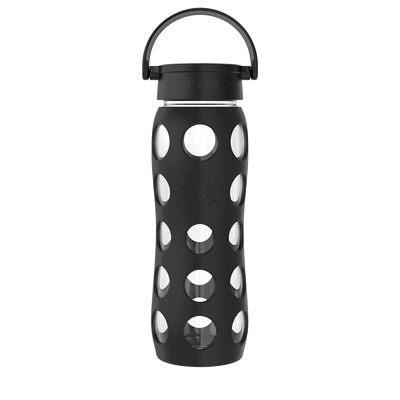
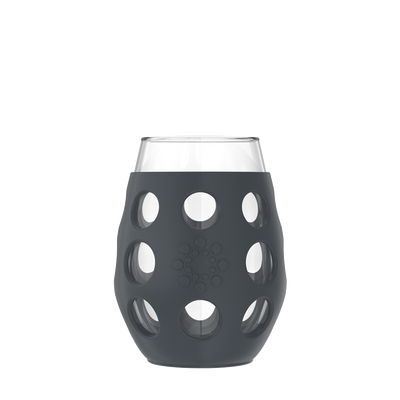
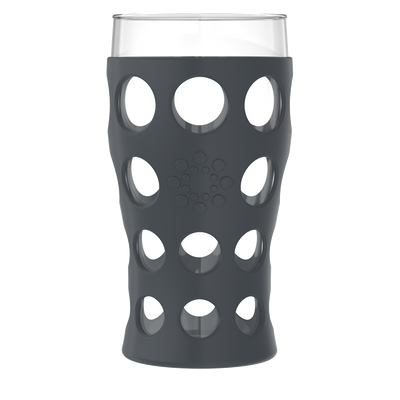
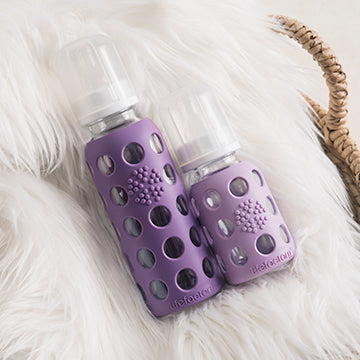
One of Lifefactory's most recognizable design elements is the protective silicone sleeve. The Silicone sleeve helps provide protection from breakage and has side tabs to secure lid closed. The sleeves are removable for easy cleaning and are BPA-free.
The Sustainability Story
At Lifefactory, sustainability is woven into every product. Glass, by its very nature, is one of the most sustainable packaging materials on earth. It is made from natural materials, it is 100% recyclable, and unlike plastic, it can be recycled indefinitely without any degradation in quality or purity.
When you invest in a Lifefactory glass container, you are opting out of the cycle of buying, replacing, and disposing of plastic every few years. A well cared for glass container means less waste, fewer trips to the store, and a smaller footprint over the long run.
Practical Tips
Here are some simple, realistic steps to make the move from plastic to glass feel effortless rather than overwhelming.
- Start with the containers you use most. If you pack lunch every day, swap your lunch container first. Small changes build real habits.
- Replace as you go rather than all at once. As plastic containers reach the end of their useful life, replace them with glass rather than trying to overhaul everything overnight.
- Use the freezer with confidence. Lifefactory containers are designed for freezer storage. Prepare meals in batches and freeze them directly in glass for genuinely convenient home cooking.
- Let the containers do double duty. Our glass food storage can go straight from the fridge to the table as a serving dish, which means fewer bowls to wash.
A Kitchen That Reflects Your Values
A kitchen stocked with Lifefactory glass food storage reflects a commitment to health, sustainability, and mindful living over convenience and disposability. It’s a kitchen built around trusted materials that stand up to the messy joy of cooking and the comfort of sharing meals, with the confidence that the food you serve your family is stored in something truly safe.
Shop Lifefactory Glass Food Storage
Browse our full collection of glass containers, designed for the way you cook and live.
Frequently Asked Questions
Q: Is Lifefactory glass food storage safe to use in the microwave or oven?
A: Yes, Our tempered glass storage containers are oven, microwave, freezer and dishwasher safe. This allows the glass with the silicone sleeve to serve as bakeware. (DO NOT bake or microwave lid).
Q: Are the silicone sleeves dishwasher safe?
A: Yes. Both the glass containers and the silicone sleeves are dishwasher safe. We recommend placing the sleeves on the top rack to maintain their shape and color over time. The glass itself can go on either rack and will come out spotless without any clouding or residue buildup.